


The Meaningful Business 100 2025
Nominations are now open for the seventh edition of the Meaningful Business 100 award programme, which champions leaders combining profit and purpose.
MB100 2025
About the MB100 .
Comprising corporate CEOs, sustainability leaders, impact investors, entrepreneurs and micro-entrepreneurs, the MB100 cuts across geography, industry, role and company size to recognise outstanding work being done to solve the most pressing social and environmental issues we are facing today.
The year-long award programme consists of pro-bono services from our partners, EY, Hogan Lovells, Babson College and Innovision, and provides access to investment opportunities, potential customers, capacity building resources and a global community of peers.
We’re looking for the most impactful business leaders for the 7th edition of the Meaningful Business 100 award.
From social entrepreneurs and impact investors to corporate sustainability leaders, MB100 winners work across sectors, geographies, role types and SDGs, but share a commitment to using business to benefit people’s lives and the planet.
Selected by an expert panel of judges, winners go on to take part in a year-round programme supported by industry-leading organisations, offering:
- Pro-bono services and capacity-building resources.
- Investment opportunities and profile-raising activities.
- Access to an interdisciplinary, curated network of peers.
Our Judges .
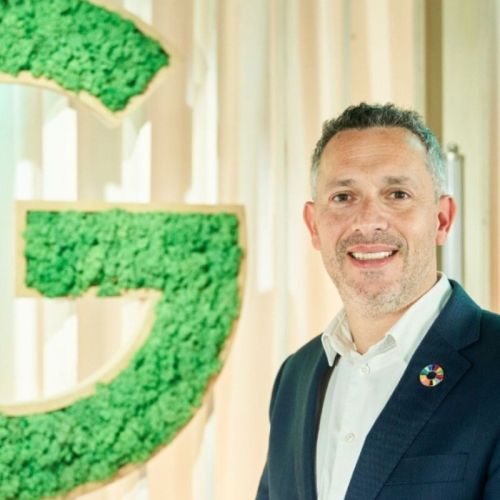
Adam Elman
Director of Sustainability - EMEA, Google
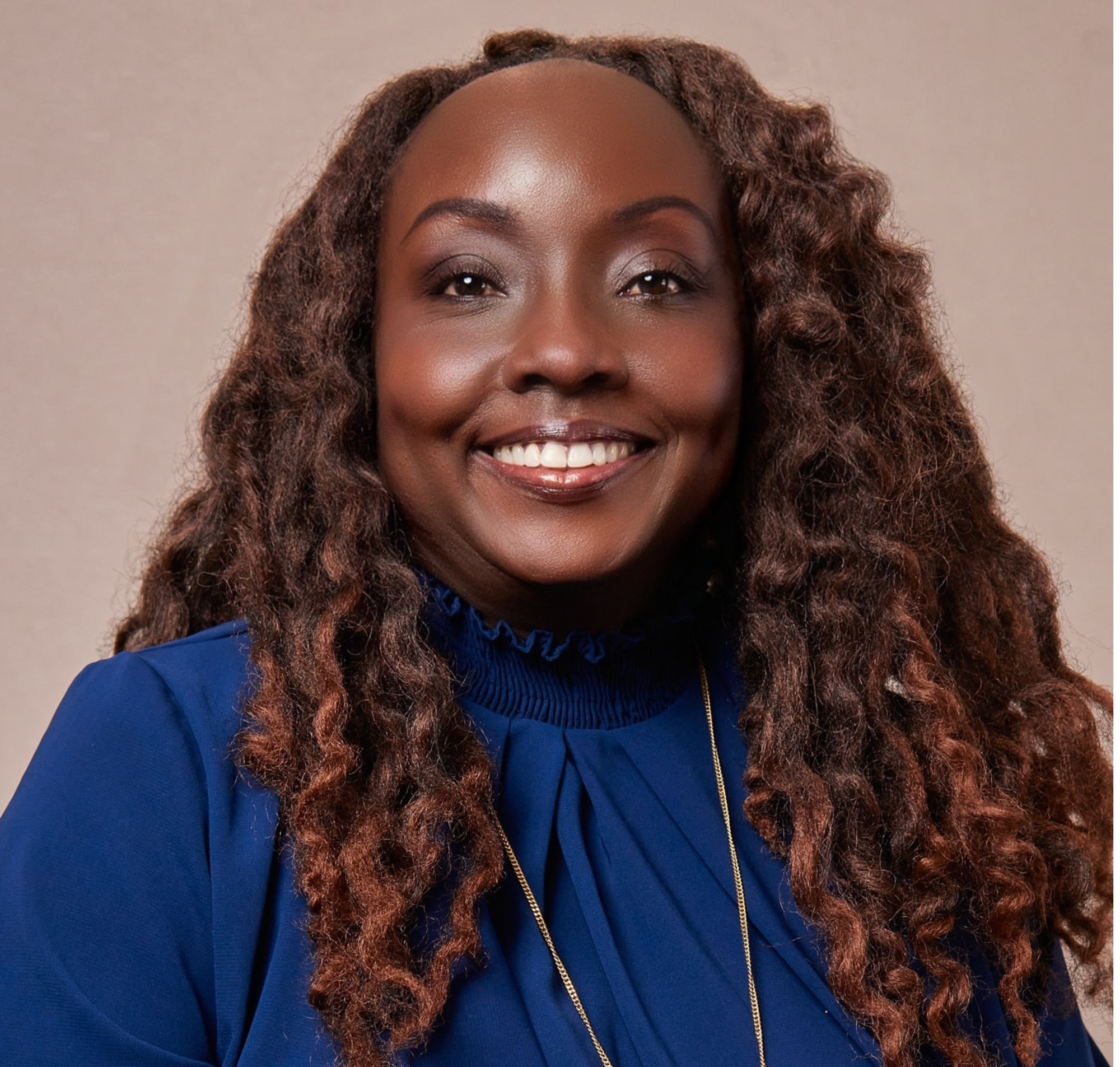
Andia Laura Chakava
Managing Partner, Afrishela Fund
Lisa Hawkes
Global Sustainability Senior Manager, Unilever
Mafruza Khan
Director, Global Resource Mobilisation and Partnerships, BRAC
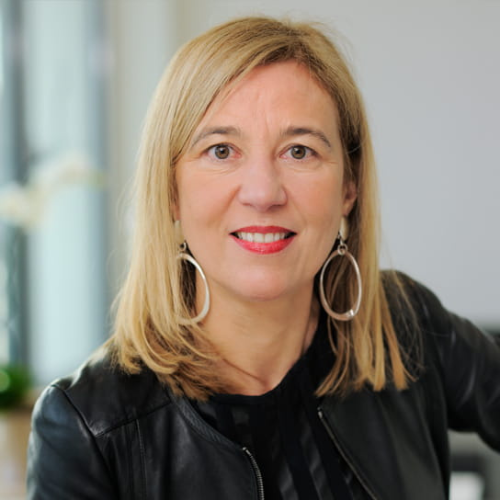
Marie-Aimée de Dampierre
Chair, Hogan Lovells
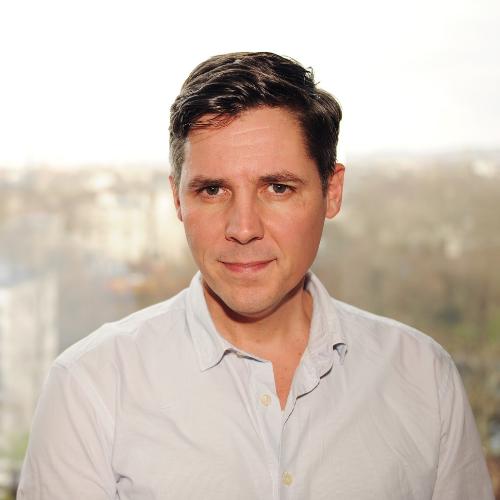
Matthias Stausberg
Group Advocacy Director, Virgin Group
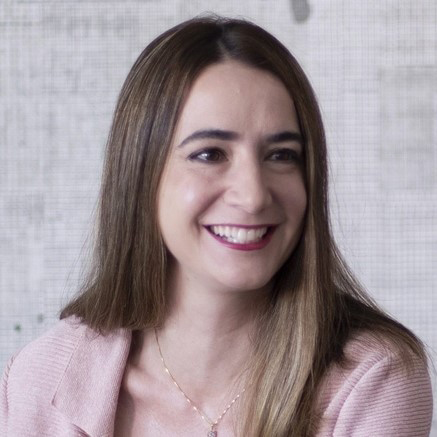
Medea Nocentini
Founder, C3 & Senior Partner, Global Ventures
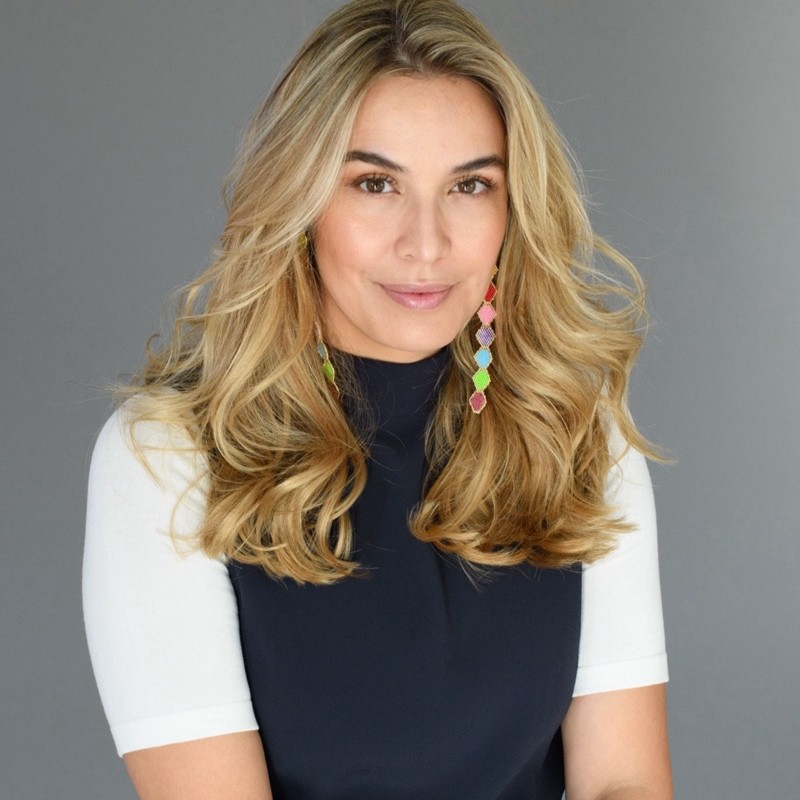
Monica Fonseca
Co-Founder, The Lab Girl
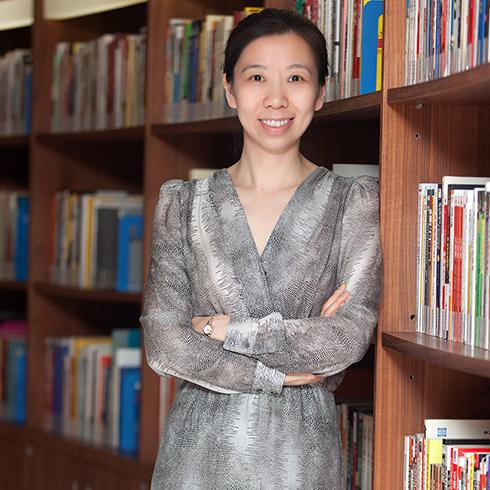
Rui (Juliet) Zhu
Director of ESG and Social Innovation Centre, CKGSB
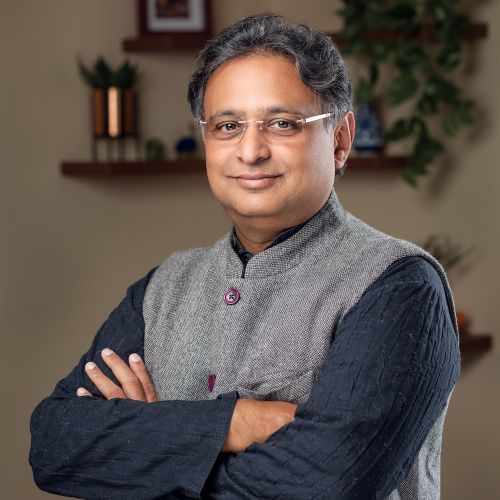
Shiv Kumar
Co-Founder, Catalyst Group
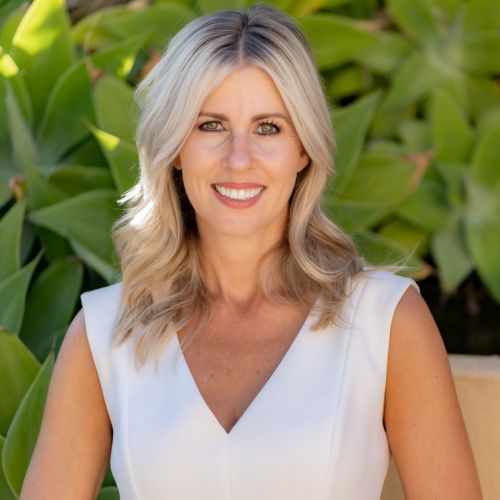
Stasia Mitchell
Global Entrepreneurship Leader, EY
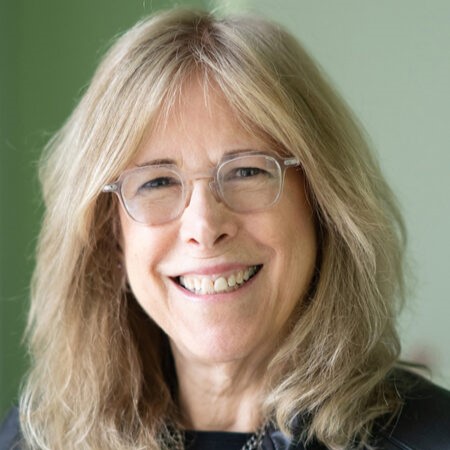
Cheryl Kiser
Executive Fellow in Social Innovation, The Institute for Social Innovation, Babson College
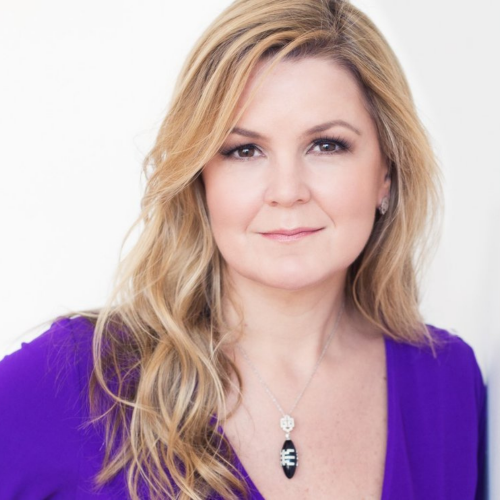
Kimberly Gire
Chair, Centre for Global Equality
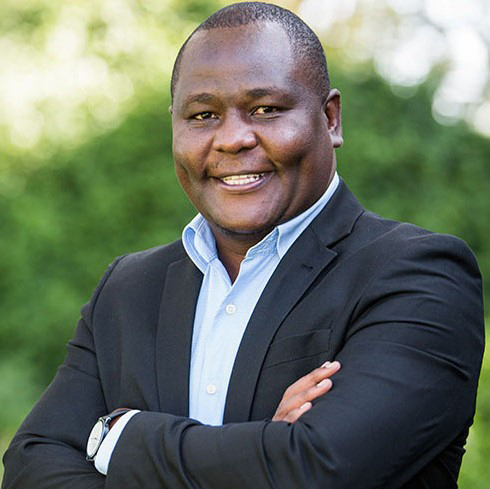
Victor Ndiege
CEO, Kenya Climate Ventures
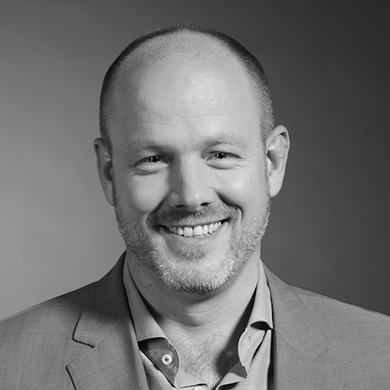
Florian Kemmerich
Co-Founder & Managing Partner, Human Planet

Karan Mehta
Principal, Green Frontier Capital
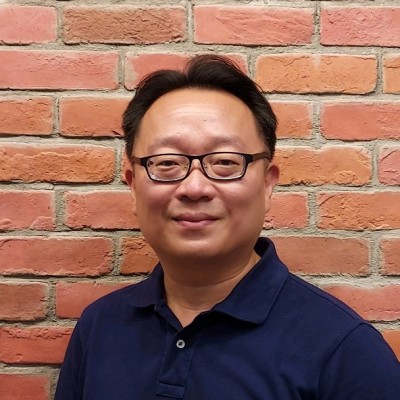
Ke-Vin Lim
Head, Group Innovation, City Developments Limited
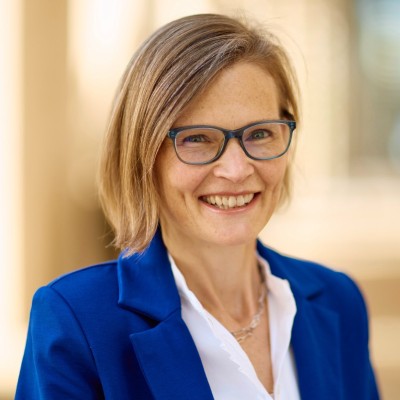
Marya Besharov
Academic Director, Skoll Centre for Social Entrepreneurship
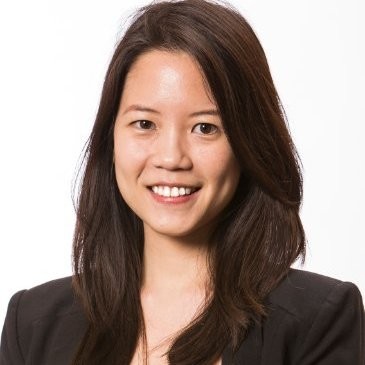
Stepfanie Cheong
VP Community Investment, Temasek
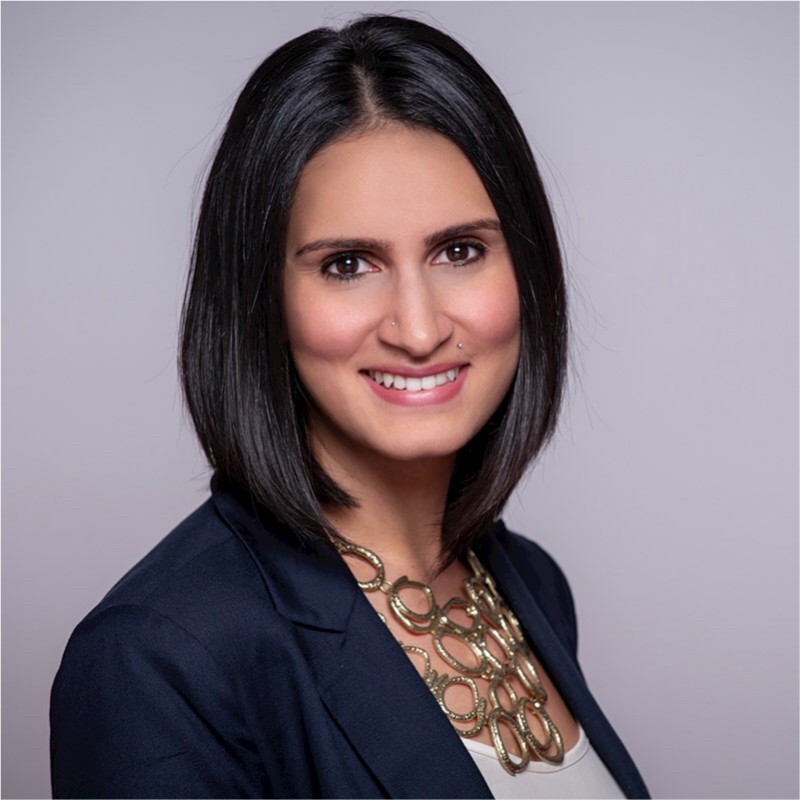
Natasha Jamal
VP Global Programmes - Centre for Inclusive Growth, Mastercard

Cristóbal Escalona
Director, Balloon Latam
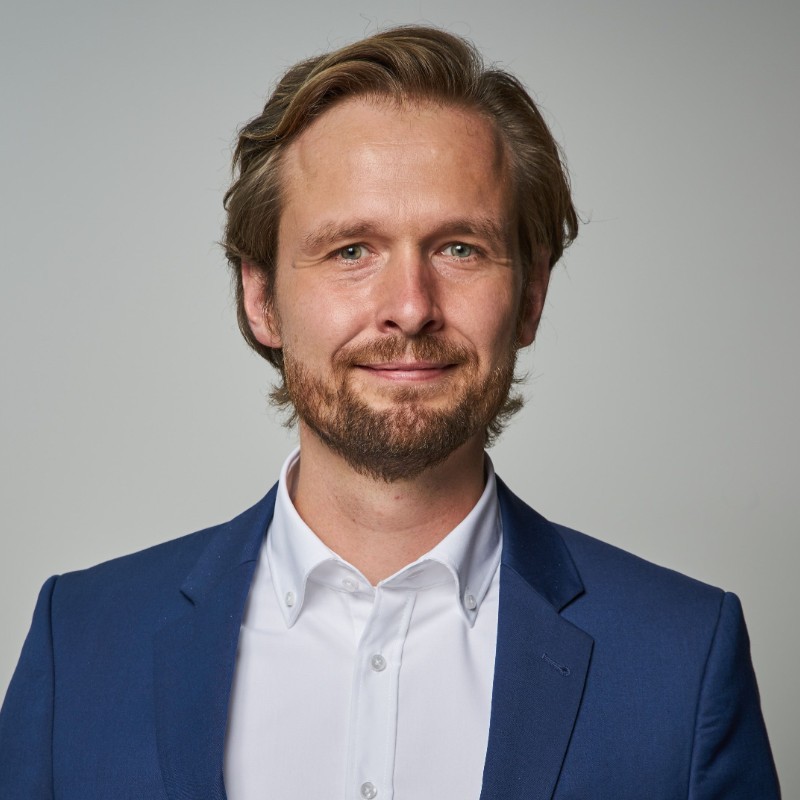
Daniel Nowack
Head of Social Innovation, World Economic Forum
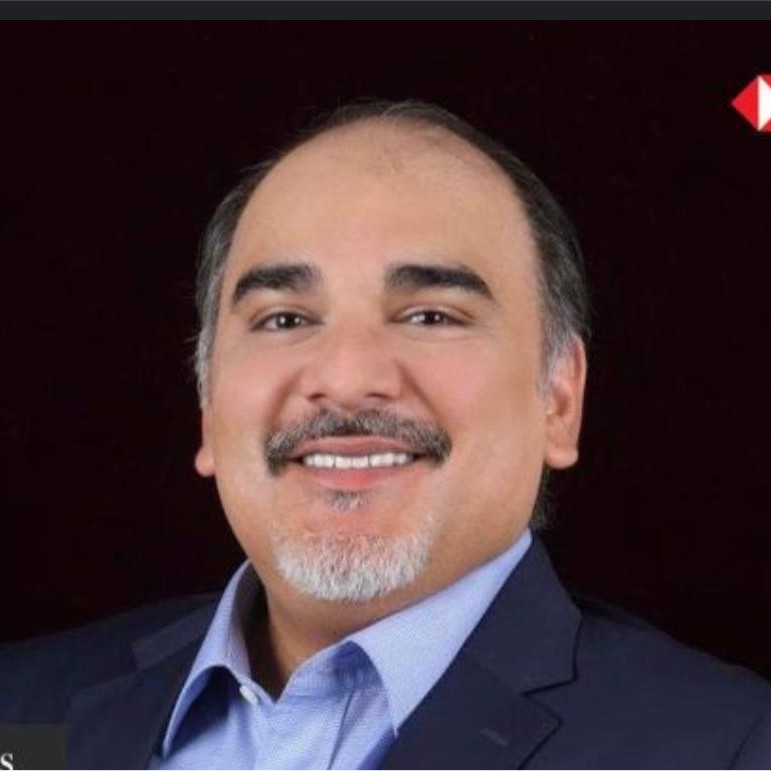
Shayan Hazir
Managing Director, Chief Digital Officer, Asia, HSBC
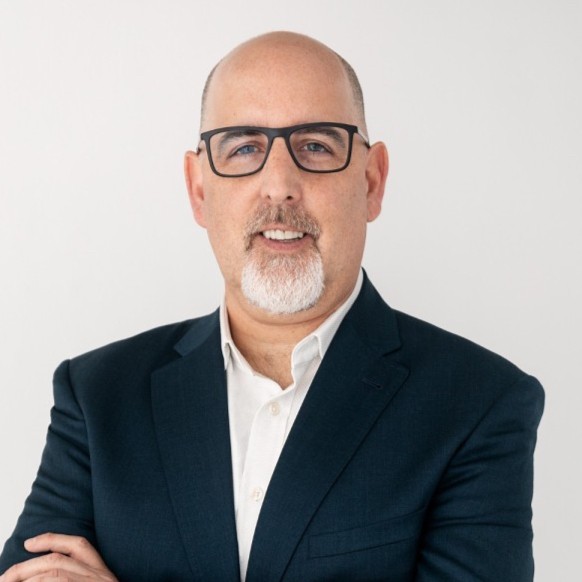
Jason Plent
Senior Partner, Verizon Business
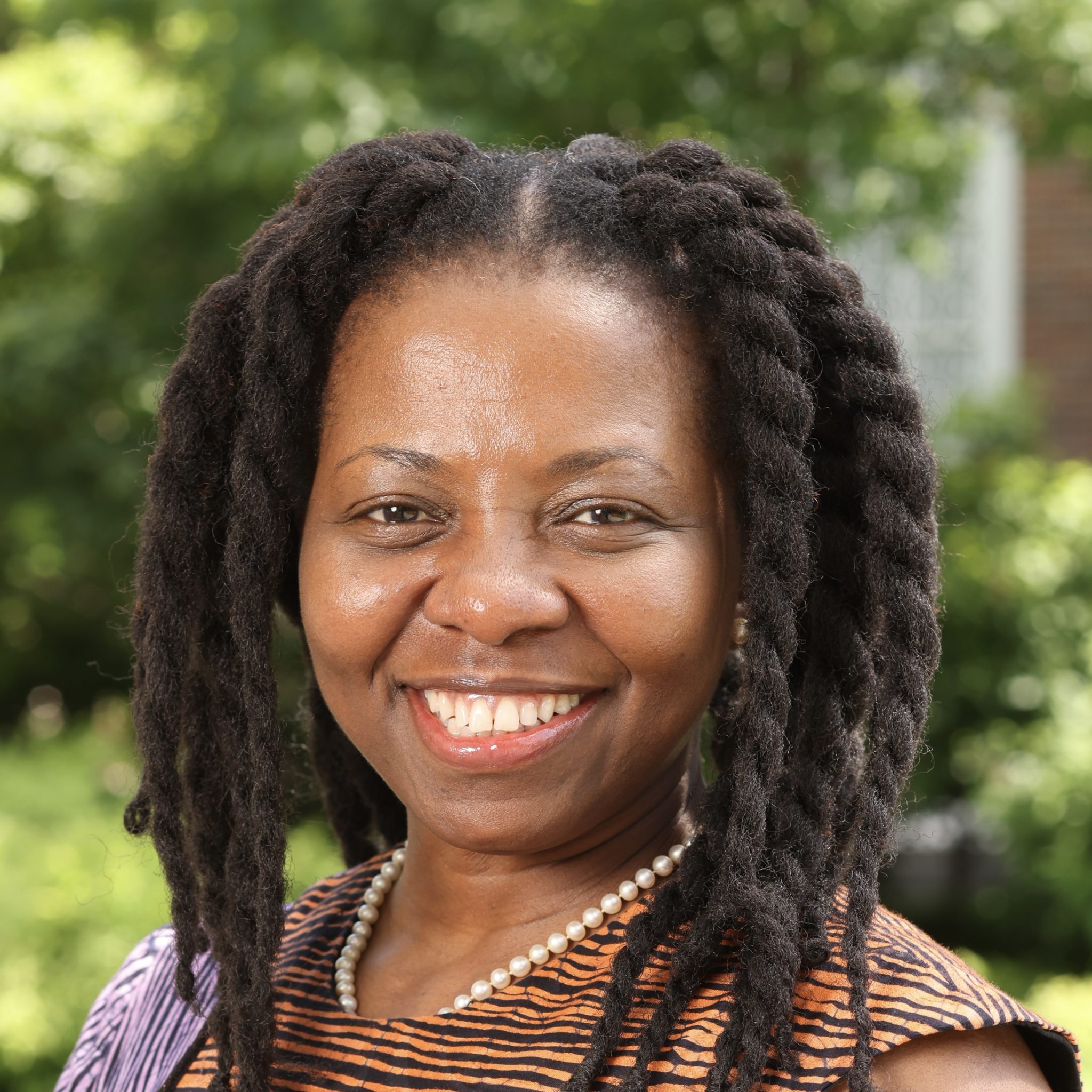
Simi Nwogugu
CEO, Junior Achievement Africa
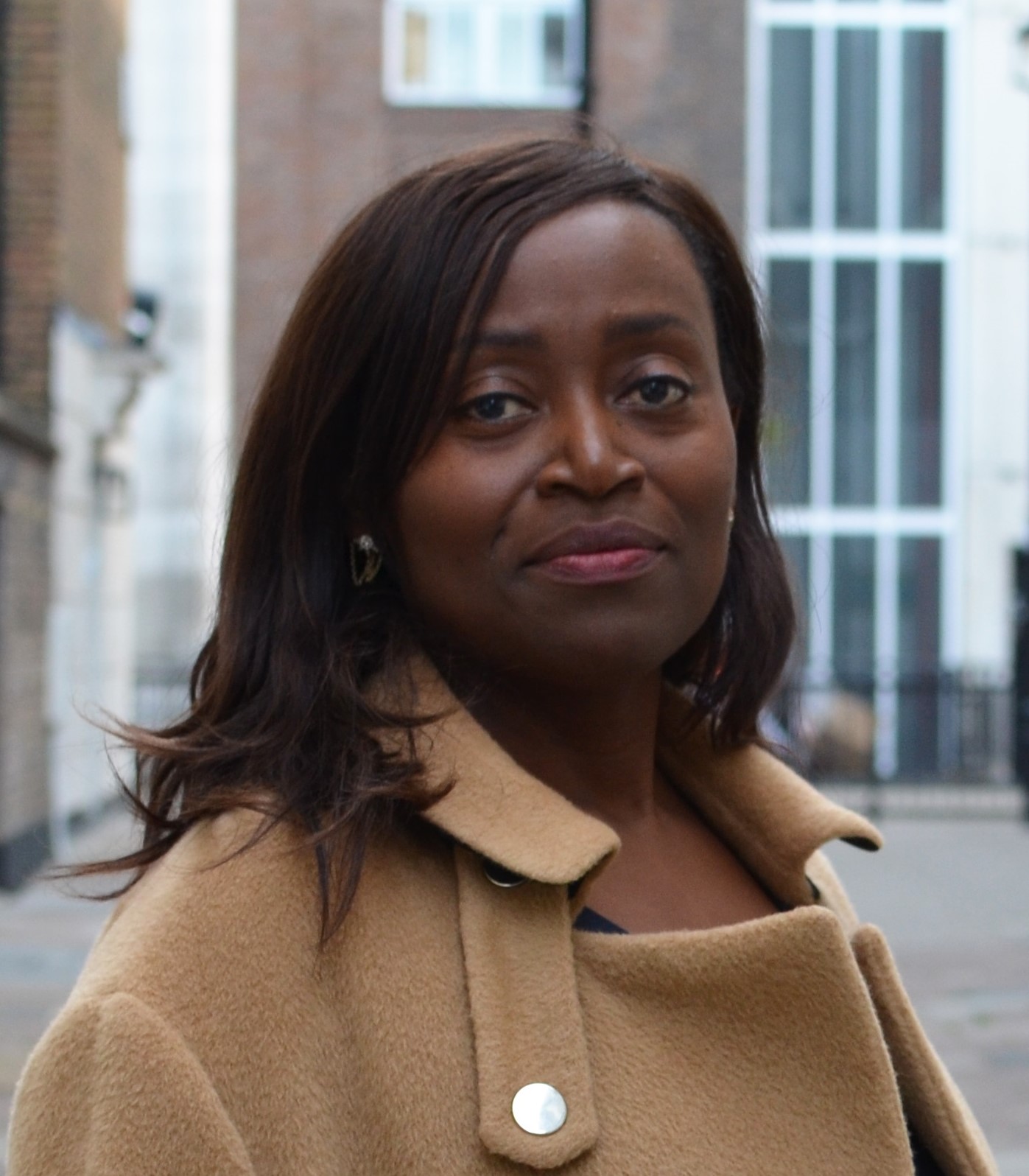
Awo Ablo
President, Co-Impact
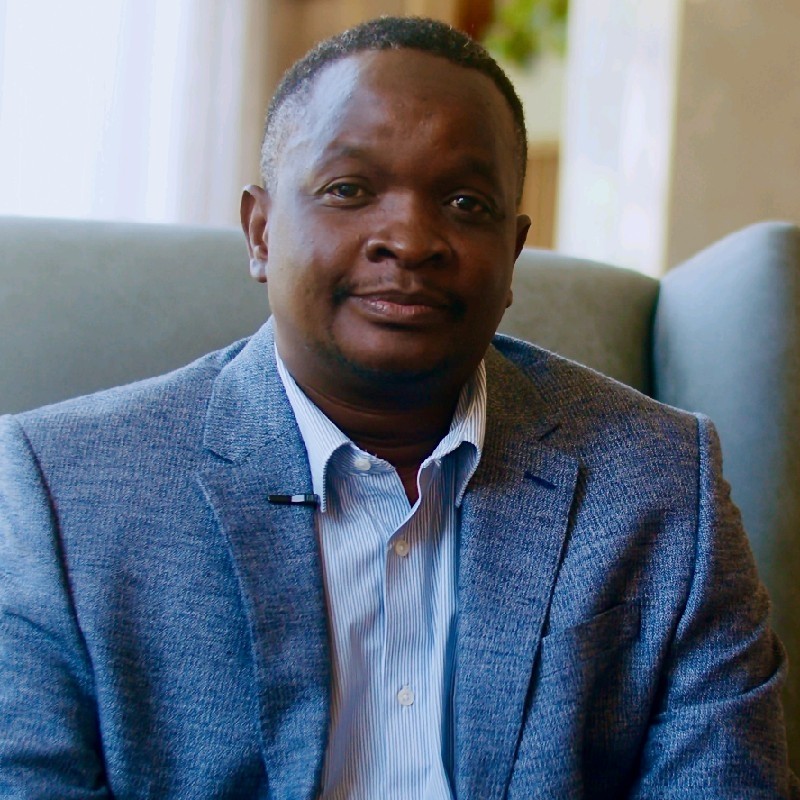
Alex Area
Chief Officer, African Development Bank Group
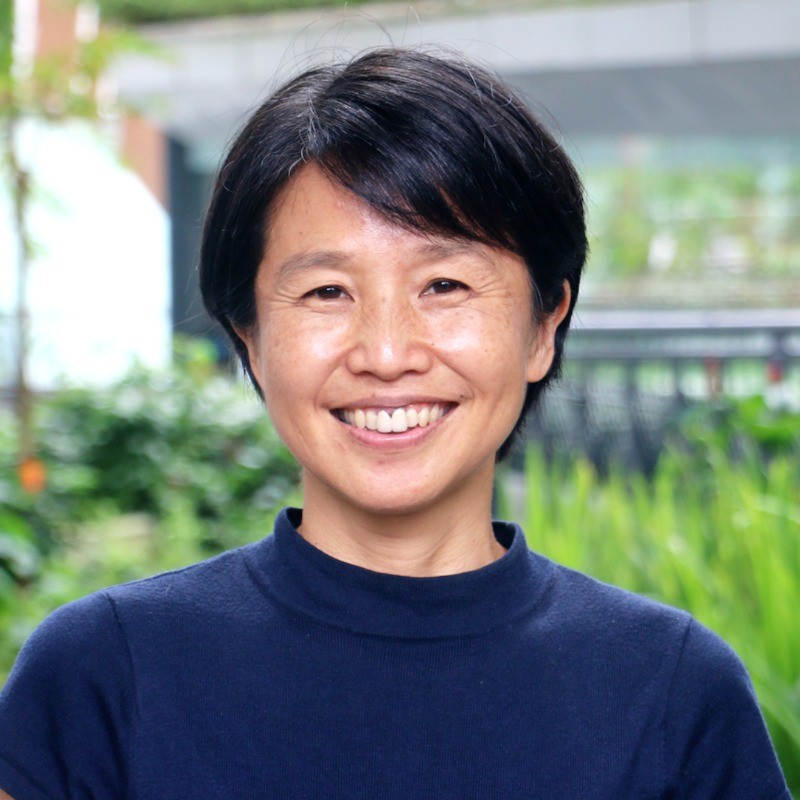
Masami Sato
Founder & CEO, B1G1
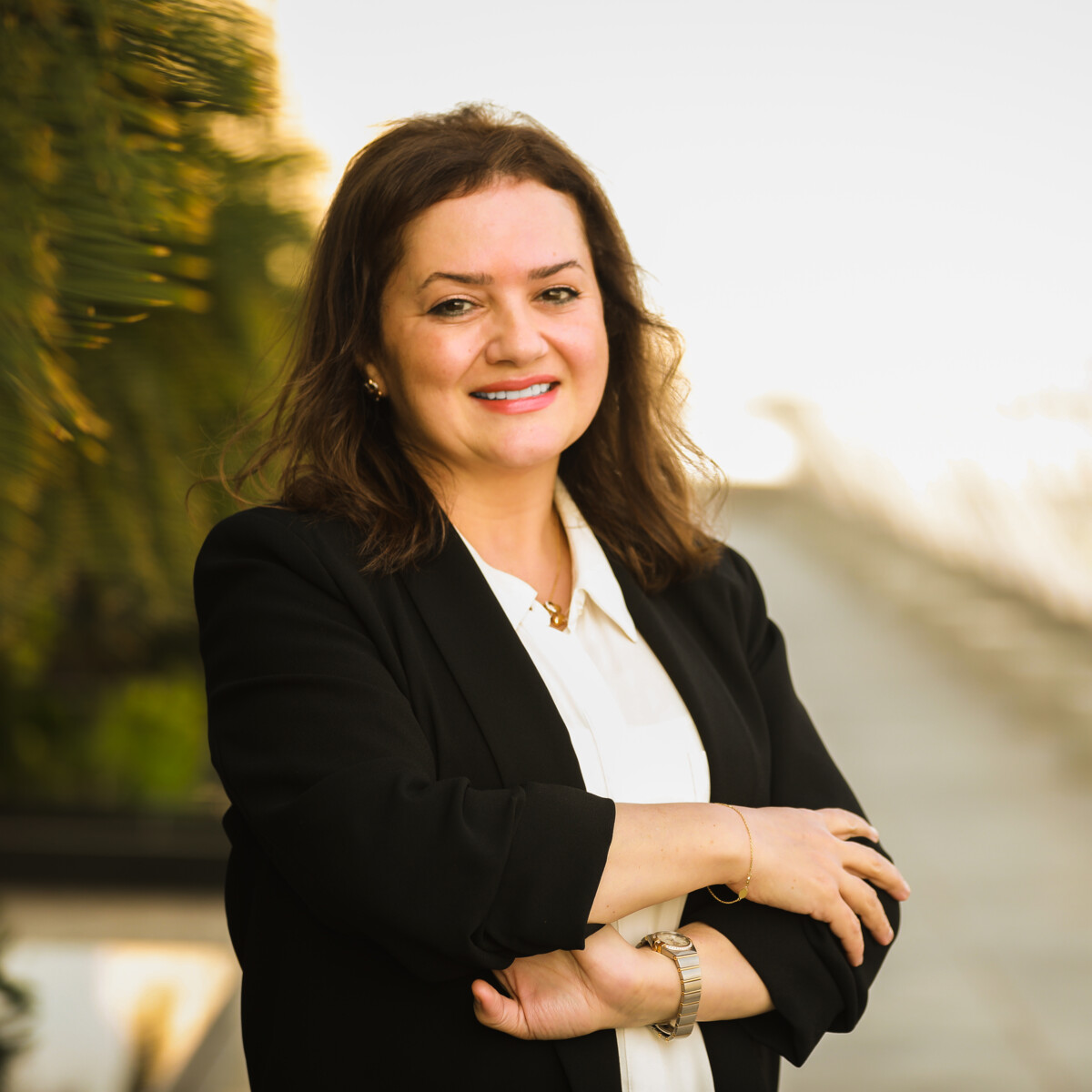
Fida Kibbi
Vice President, Head of Marketing, Communications, Sustainability & Corporate Responsibility, Ericsson MEA
MB100
See previous MB100 winners
Guidelines for the application .
- You can submit the application for yourself, or on behalf of a leader
- We also accept recommendations and we will reach out to them to put forward their full application
- This is a two-stage process and shortlisted applicants will be notified directly for further responses.
- Applications are reviewed by an expert panel of judges and winners are announced on Tuesday 21st October.
MB100 Criteria .
Each leader must have:
- Created positive, direct and intended impact aligned to one or more SDGs in the last 12 months
- Been the driving force behind the product, service or project that combines purpose and profit.
Judges are considering .
- Originality of the idea behind the product, service or project
- Longevity of the product, service or project
- Intersectionality – how successful is the product in creating impact across multiple SDGs?
- Localisation – is the product or service helping local communities take better control of their lives?
- Scalability of the product, service or project – is it replicable?
- Inclusion – is there a focus on representation of minority groups?
- Collaboration – has the leader made best use of the core competencies of different stakeholders, and encouraged them to work together?
- Affordability – what level of investment did the product or service require? (Low investment, high impact products or services will be favoured)
- Use of innovation/technology to power the product, service or project
- Is the leader a role model for, and champion of, meaningful business beyond their own company?
MB100 2024
Sponsors .
















MB100
MB100 Testimonials .

This is one of the most proactive and effective networks I have come across; there is a culture of collaboration and action that makes things happen fast. Add to that the chance to spend time with and mentor specific members building future-reader businesses; this is time and effort well spent.

The mentorship programme has been incredibly helpful so far already. Thank you so much for organising this program for us entrepreneurs!

I met my tribe – people to help me improve business for impact. Where else can you connect with like minded folks to support the SDG goals across the universe, investing only 30 minutes of your time? I met one person from Switzerland, one from the UK, one from South Africa and another member from Germany in one day!