Bringing life-saving dialysis care directly to patients in rural areas

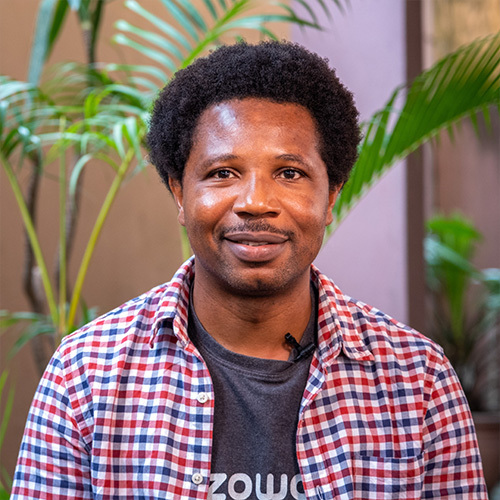
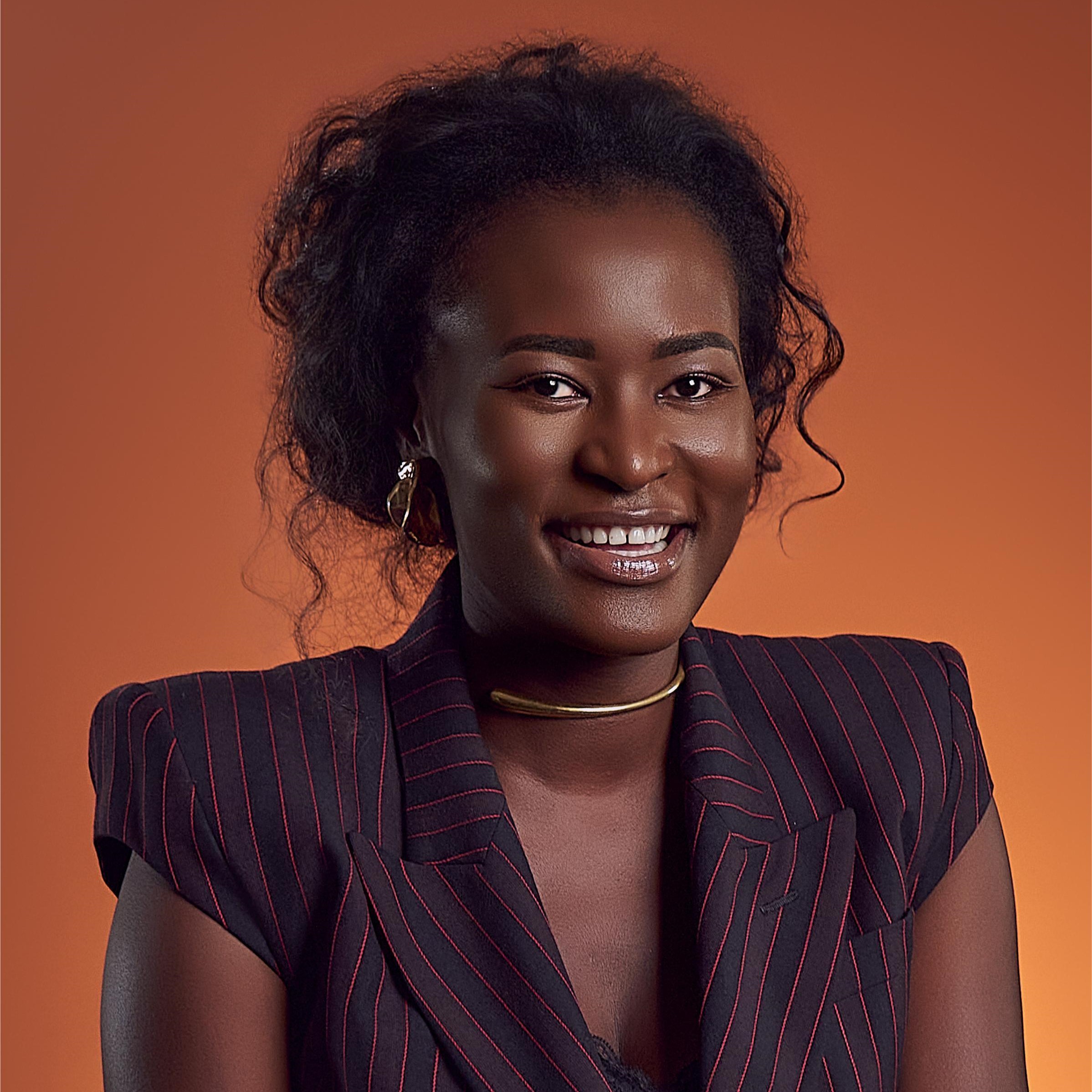
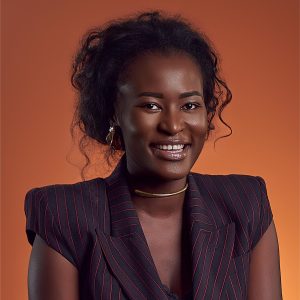
In this #MeetTheMB100 interview, Naom Monari, Founder & CEO of Bena Care, explains how they provide mobile dialysis services in the underserved regions of Kenya, and shares the financial and regulatory challenges they need to navigate while delivering innovative healthcare.
This interview series is sponsored by EY, Hogan Lovells, The Portman Estate and Forster Communications.
Long Form Questions
Meaningful Business (MB): What are the challenges you are trying to solve and who are the main beneficiaries?
Naom Monari (NM): Over four million Kenyans suffer from chronic kidney disease. There are only 214 dialysis facilities that cater for end-stage renal disease. 70% of these facilities are in urban areas yet over 63% of renal patients are from rural areas, meaning patients have to travel up to 300 kilometers to receive dialysis sessions twice a week for the rest of their lives. The long distance travel and high transport cost is prohibitive and leads to missed treatment sessions, resulting in very poor health outcomes.
MB: What is your solution and what impact have you made to date?
NM: Our mobile dialysis solution is a first-of-its-kind innovation in sub-Saharan Africa designed to bring high-quality life saving dialysis care directly to patients with chronic kidney disease in rural areas. Using 40ft shipping containers, we’ve engineered self contained dialysis units equipped with haemodialysis machines, reverse osmosis systems, drainage insulation and solar power, allowing them to function even in off grid locations. Each unit is mounted on a truck and operates on a scheduled route, delivering care at local health centres twice a week. This approach allows one infrastructure to serve multiple communities, cutting down on travel time and cost for patients, improving adherence to treatment and relieving pressure on overwhelmed county hospitals.
Since the inception of the mobile dialysis unit and hub in 2024 November, we have delivered over 26,000 dialysis hours and reduced the patient travel distance by 76%.
MB: What has been the most complex or underestimated part of delivering this work?
NM: One of the most complex and often underestimated parts of delivering this work has been navigating the regulatory environment around new healthcare innovations. While developing and implementing solutions is already challenging, the absence of clear policies and regulatory frameworks makes the process significantly more demanding.
For many of the services we introduce, there are existing policy gaps or regulatory vacuums, meaning there are no predefined guidelines to follow. This places us in a position where, beyond execution, we must actively engage regulators and stakeholders to define pathways for approval. It becomes a continuous process of advocacy, alignment, and education to ensure that our innovations are understood, accepted, and deemed safe within the broader healthcare system.
A clear example of this is our mobile dialysis initiative. We had to bring together multiple stakeholders including the county government, a university, and the Kenya Renal Association to collaboratively review and validate the approach. This process took approximately six months before we could obtain the necessary license.
MB: What is the biggest threat to you right now and why?
NM: The biggest threat to our work right now is the chronic delay in reimbursements from the Social Health Authority in Kenya. This has become a significant concern because our mobile dialysis services are fully dependent on government insurance for payment. The patients we serve are largely from rural and low income communities, and most of them rely entirely on this insurance to access life saving treatment.
To put this into perspective, a single dialysis session costs Ksh. 10,650. This is far beyond what the majority of Kenyans can afford, especially those living in rural areas. When reimbursements are delayed, it creates immediate and serious strain on our cash flow. Over time, these delays put pressure on our ability to sustain operations and scale our services to reach more patients in need.
What makes this particularly challenging is that the demand for dialysis does not pause. Patients require consistent, ongoing treatment to survive, and any disruption in service can have severe consequences on their health. This means we are constantly balancing the need to continue providing uninterrupted care with the financial realities of delayed funding.
MB: What is your ambition for the future of your business, and what support do you need to increase your impact?
NM: Over the next three years, we aim to significantly expand our mobile dialysis services to reach underserved regions across Kenya. These state-of-the-art mobile dialysis units will bring life-saving hemodiafiltration services directly to communities, reducing patient travel distances and associated costs. The biggest support we need is introductions to partners who can help us grow.
Quickfire Questions
MB: Can you share a mistake that you’ve learned from?
NM: I’ve learned that trying to do everything myself slows down growth. Early on I hesitated to reach out. Now I don’t.
MB: What is something you wish you were better at?
NM:I wish I was better at financial accounting, but I am learning everyday.
MB: What are you most proud of about your work?
NM: I’m proud of the fact that through my work, hundreds of people, especially young individuals, have jobs.
MB: What is the one book that everyone should read?
NM: Success through less by Rolf Dobell has a pretty interesting idea about avoiding mistakes instead of just chasing success.
MB: What are the sites, blogs or podcasts that you can’t imagine your day without?
NM: I listen to Vusi Thembekwayo and Chimamanda Ngozi Adichie in the morning while I prepare for work and while driving. They keep me deeply challenged and inspired.