Bridging the gap between accessibility awareness and implementation

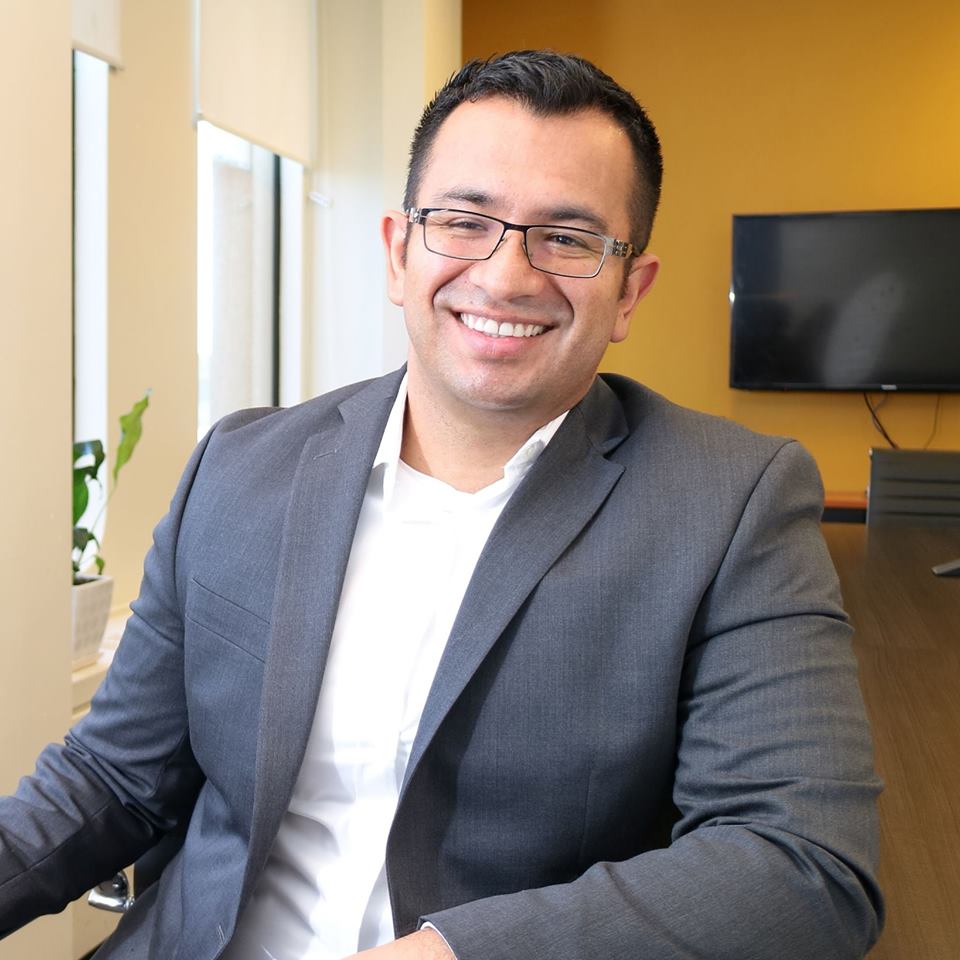
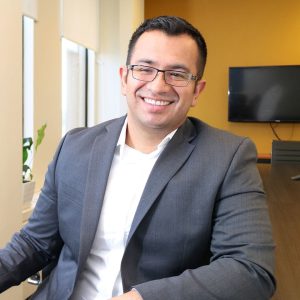
In this #MeetTheMB100 interview, Juan Olarte, Founder & CEO of Digita11y Accessible, shares his vision to make accessibility a natural part building tech products and how we can use AI effectively to improve the lives of people with disabilities.
This interview series is sponsored by EY, Hogan Lovells, The Portman Estate and Forster Communications.
Long Form Questions
Meaningful Business (MB): What are the challenges you are trying to solve and who are the main beneficiaries?
Juan Olarte (JO): One of the biggest challenges I am addressing is the gap between accessibility awareness and actual implementation. Many organisations understand that accessibility matters, but they struggle with how to apply it to real products and at scale.
Through Digita11y Accessible, we build technology and support organisations in making their digital content accessible, with a strong focus on PDFs. Many organisations produce high volumes of documents that are not accessible, creating real barriers for people who rely on assistive technologies. We help them address this by combining practical expertise with technology, so their content is not only compliant but actually usable.
At the same time, through A11YVERSE, I am focused on solving the fragmentation of accessibility knowledge. There are many great solutions, people, and ideas in this space, but they are difficult to discover. A11YVERSE brings this ecosystem together so it is easier to find the right solutions and learn from real world experiences.
This is also very personal for me. As someone with a disability, I experience these barriers firsthand. The main beneficiaries are organisations building more inclusive products, and more importantly, people with disabilities who rely on accessible digital experiences to fully participate in everyday life.
MB: What is your solution and what impact have you made to date?
JO: Our focus on PDFs allows us to solve a very real and often overlooked problem, at scale. We work with international insurance companies, organisations in the financial sector, and educational institutions, including partnerships with Deloitte and BDC, helping them move from reactive compliance to a structured and sustainable approach to accessibility.
With A11YVERSE, the solution is focused on making accessibility knowledge discoverable and actionable, and on connecting the community itself. This June we hosted the National Accessibility Leadership Summit in Toronto, bringing together 200 leaders from more than 100 organisations. The platform launched live at the event, and it was the first of many. The early traction has reinforced the need for a more connected ecosystem, and the goal is to make accessibility easier to understand, easier to implement, and ultimately more embedded in how organisations approach this space.
MB: What has been the most complex or underestimated part of delivering this work?
JO: One of the most underestimated parts of this journey has been the business side of building and growing a company. When I first launched Digita11y Accessible, I made many mistakes, and in many ways I am still learning every day.
Over time, those experiences have helped me better understand how to build, communicate value, and create meaningful relationships with clients. While accessibility itself can be complex, we have always focused on educating and empowering our clients so they can better understand what good accessibility looks like and why it matters.
With A11YVERSE, I have been able to apply many of the lessons learned from those early challenges. Building something new always comes with uncertainty, but having gone through that journey before has made a big difference. It is still a continuous learning process, but each step forward becomes a bit more intentional and a bit more informed.
MB: What is the biggest threat to you right now and why?
JO: One of the biggest challenges right now is how quickly technology is evolving, especially with the rise of AI. While this creates a lot of opportunity, it also introduces a lot of noise. There are many solutions claiming to improve accessibility, but in reality they do not address the root problems. In some cases, like overlays, they can actually create more barriers instead of removing them.
At the same time, accessibility is still often misunderstood. Many organisations continue to see it as a checkbox or a compliance exercise, rather than something that directly impacts usability and inclusion. That affects how decisions are made and which solutions are adopted.
On a more personal level, I strongly believe AI can change the world for people with disabilities. A big part of my mission is to help people understand how to use it effectively. The challenge is making sure that as this technology evolves, it is used in a way that truly empowers people rather than creating new barriers.
MB: What is your ambition for the future of your business, and what support do you need to increase your impact?
JO: My ambition is to make accessibility as natural a part of building products as design or security. That means scaling our technology so organisations of any size can make high volumes of documents and digital content accessible without it being a burden. With A11YVERSE, the ambition is to become the home of the accessibility community: the place where practitioners, organisations, and innovators connect, and where events like our National Accessibility Leadership Summit grow into a national and eventually international series.
The support that would increase our impact most is partnerships and visibility: introductions to organisations that want to move beyond compliance, partners who share the mission of inclusion, and platforms that help the community’s work reach further. The expertise exists, the people exist – my goal is to connect them.
Quickfire Questions
MB: Can you share a mistake that you’ve learned from?
JO: Early on I thought hiring people would solve problems that I did not fully understand myself. I learned that if you do not understand a problem at its root, you cannot guide a team toward the right outcome.
MB: What is something you wish you were better at?
JO: Patience. I move fast, and I am learning to slow down, let wins land, and actually feel the moment instead of trying to get everything all at once.
MB: What are you most proud of about your work?
JO: Connecting people, and helping people understand how to help each other. And beyond work, my family and my kids. Everything I build comes back to them.
MB: What is the one book that everyone should read?
JO: Many Lives, Many Masters by Brian Weiss. I would add The Science of Getting Rich, which is far better than its title suggests, as well as Atomic Habits for the practical side.
MB: What are the sites, blogs or podcasts that you can’t imagine your day without?
JO: The All In Podcast and The Diary of a CEO.