

How Matriark is changing food systems for the benefit of future generations

In this #MeetTheMB100 interview, Anna Hammond, Founder & CEO of Matriark Foods, shares how they upcycle farm surplus and byproducts into delicious, healthy food for the food service and retail industries, as well as emergency response efforts.
This interview series is sponsored by EY, Hogan Lovells, Green Frontier Capital, Kenya Climate Ventures (KCV), The Portman Estate, and innovision.

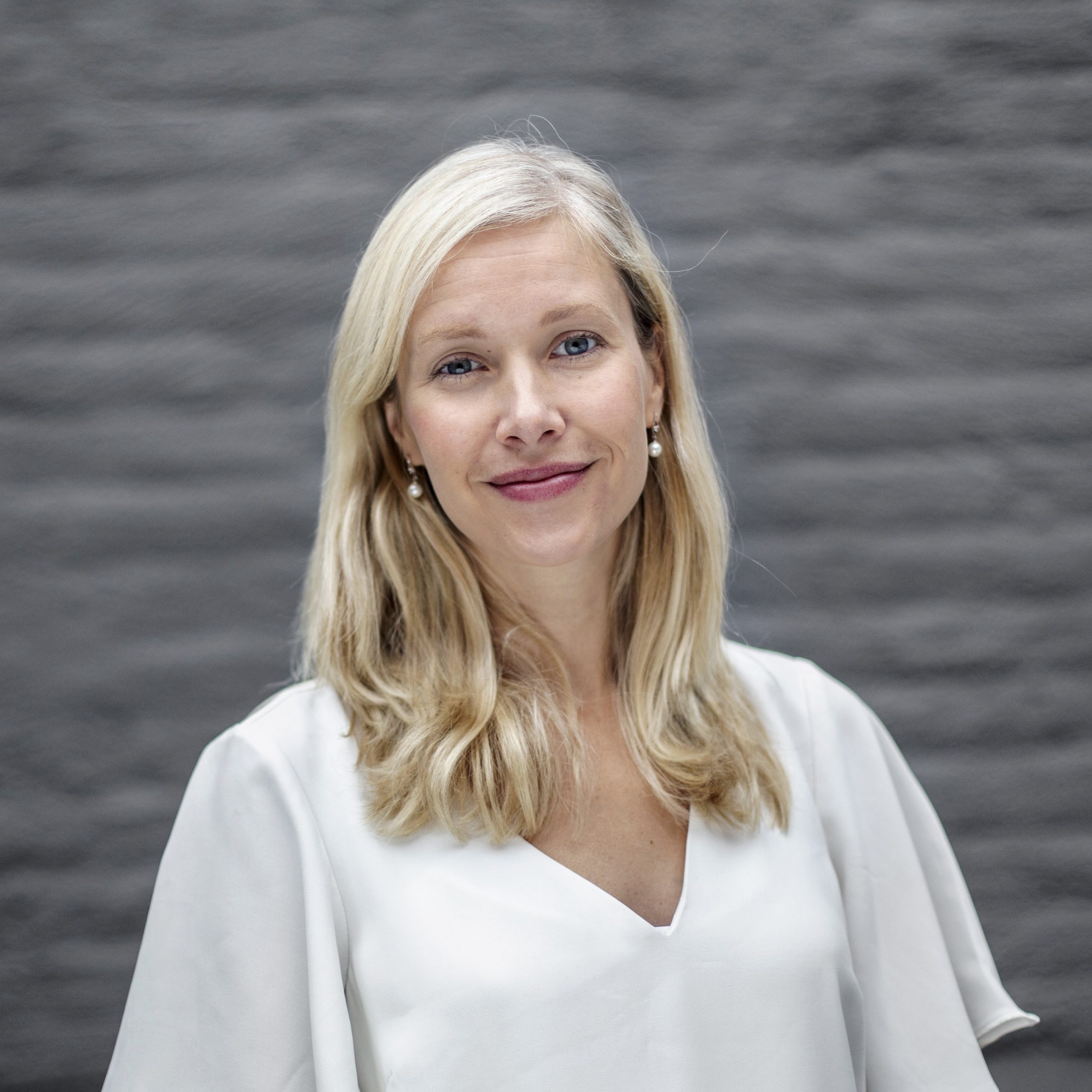
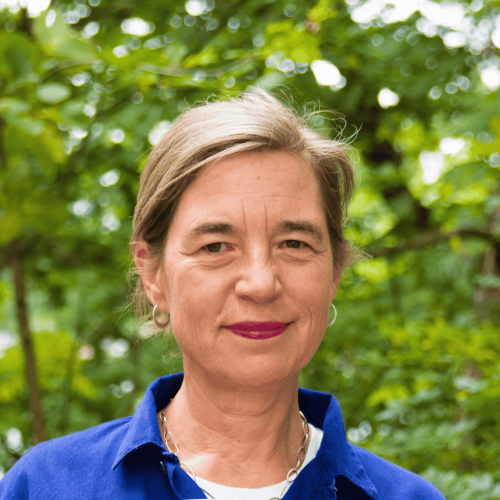
Anna Hammond, Founder & CEO, Matriark Foods
Meaningful Business (MB): What are the challenges you are trying to solve, and why do they matter to you?
Anna Hammond (AH): Wasted food is one of the largest contributors to global greenhouse gases. However, it is also a wholly solvable issue at the farm and manufacturing level. If we can create a circular food economy, we can significantly reverse food loss and waste, reduce climate impacts and economic losses, and accelerate progress on global goals (UNEP Food Waste Index Report 2024).
Matriark has 3 core focus areas:
- Diverting food from landfills.
- Creating additional markets for regional farmers to sell their surplus.
- Increasing access to healthy food for more people.
MB: How are your programmes tackling these challenges and what impact are they having?
AH: We collaborate with large-scale manufacturing facilities and farmers to collect their by-products and surplus, creating a safe and compliant food supply chain that would otherwise go to waste. Whether the produce is too ripe or misshapen for sale, we upcycle the surplus into healthy, delicious sauces and vegetable products.
Since 2019, we have reduced 5.3 million pounds of greenhouse gases, saved 244 million gallons of water, and diverted 1,026,343 pounds of vegetables from landfills.
MB: How do you work with partners and the broader ecosystem to achieve your mission?
AH: We collaborate with a wide range of operators, suppliers, producers, and both for-profit and not-for-profit organisations committed to environmental and human health. The more partnerships we build and nurture, the more we sell, and the greater our impact.
MB: What is your ambition for the future of your business, and how do you measure success?
AH: At Matriark, we’re ambitious to have global influence. Although we are currently based in the United States, we are participating in this year’s Waste2Plate initiative in the Netherlands, which will connect us with European farmers, manufacturers, distributors, and other partners. We have also recently begun working with a global food company, supplying them with ingredients for their products.
Our food bank and emergency food efforts, which are incredibly important to all of us, are growing rapidly. It’s challenging to come to terms with this surge in need, but we are passionate about helping those experiencing food insecurity or affected by war and disasters to access healthy food. To expand this work, we need more partners and, of course, additional funding.
Quickfire Questions
MB: Can you share a mistake with us that you’ve learned from?
AH: It takes time to change entrenched systems. I can be impatient, especially when so many people are going hungry and the planet is burning up. One of my early mistakes was not being patient enough with ecosystem leaders who didn’t fully understand the complexity of our work.
Additionally, there is often a big gap between leadership’s vision and the people in the system who have to do the work to implement the change.
Now, when we bring on new customers, I work to engage them by operationalising upcycled products throughout their systems, from menu testing to procurement. You can’t force people to change without giving them the right tools and incentives. Although it requires more time initially, once people see how cutting waste at scale can unlock the power to create real change, then everyone wants to pitch in.
MB: What underrated skill do you wish more impact-focused leaders invested time and energy in?
AH: Leaders who consciously bring teams together to drive change are often underrated.
Changing systems takes time, patience, clarity, precise goal-setting, and gentle pressure at the appropriate moments. Great leaders, who are emotionally intelligent and infectiously enthusiastic, understand when to encourage and when to push harder.
MB: What is one book that everyone should read?
AH: One of the books that truly inspired me to start Matriark was Project Drawdown, a book that outlines one hundred existing, economically viable, and scientifically proven solutions to reduce greenhouse gases.
MB: What are the sites, blogs or podcasts that you can’t imagine your day without?
AH: I read two newspapers a day: The Guardian and The New York Times. I dip into Civil Eats and The Wall Street Journal. I listen to the BBC World Service in the morning while walking my dog, and I occasionally tune in to Al Jazeera English Radio for world reporting.
MB: What support do you need?
AH: We need to collaborate with large companies that want to incorporate upcycled products into their operations, as well as organisations and businesses eager to offer environmentally sound and nutrient-rich food to people experiencing hunger.
Organisations, and the people who run them, can choose to continue with business as usual because it is easier, or to make the more complex but ultimately financially and environmentally responsible decision to commit to nature-positive food.