


How Made For A Woman is creating a global luxury ecosystem rooted in Madagascar, centered on women
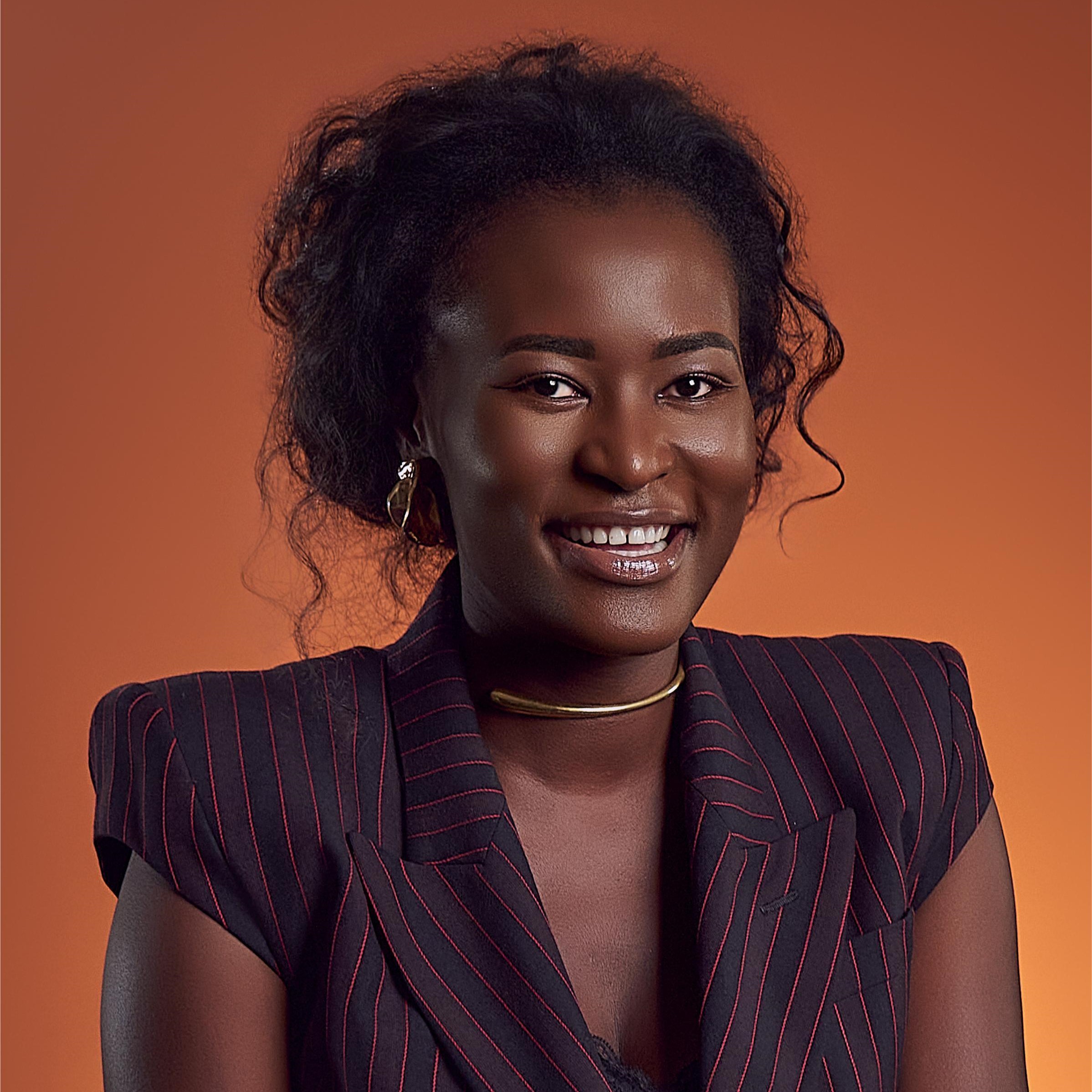
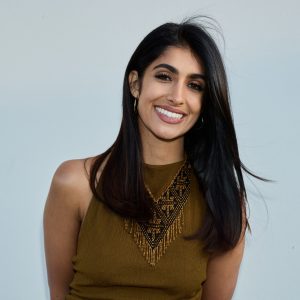
In this #MeetTheMB100 interview, Eileen Akbaraly, Founder & CEO of Made For A Woman, shares the challenges of running a Madagascar-based business and discusses how they are building an alternative, purpose-driven blueprint for how luxury can operate.
This interview series is sponsored by EY, Hogan Lovells, The Portman Estate and Forster Communications.
Long Form Questions
Meaningful Business (MB): What are the challenges you are trying to solve and who are the main beneficiaries?
Eileen Akbaraly (EA): Made For A Woman was created to address a structural paradox in the global luxury industry: extraordinary value is created through human hands, yet those hands are often invisible, underpaid, and excluded from the wealth they generate.
In Madagascar, my home country, this paradox is amplified by extreme poverty, gender-based violence, limited access to education, and environmental degradation. Women, especially those from vulnerable backgrounds, are disproportionately affected, despite being the backbone of artisanal economies.
At the same time, the global fashion industry faces a crisis of transparency, overproduction, and environmental harm. Our work responds to both realities.
The primary beneficiaries are the women artisans we employ and their families, with over 4,000 individuals impacted every year. But the impact extends further than our own community: rural raphia producers, children gaining access to education, ecosystems protected through sustainable sourcing, and luxury consumers seeking integrity.
Ultimately, we are working to rebalance value, so that dignity, culture, and sustainability are central to the creation of luxury.
MB: What is your solution and what impact have you made to date?
EA: Our solution is to build a vertically integrated, traceable luxury ecosystem rooted in Madagascar and centered on women. We combine ancestral craftsmanship with contemporary design, sustainable raphia sourcing, fair wages, healthcare access, psychosocial support, and financial literacy. We invest not only in production, but in people.
To date, we have employed more than 1,000 artisans, most of whom are women, many from highly vulnerable backgrounds: single mothers, survivors of gender-based violence, people with disabilities, former prisoners, sex workers. Our model has led to measurable business and social results, proving that dignity and performance are not opposites, but allies.
We are certified by the World Fair Trade Organisation (WFTO) and B Corp, and we collaborate with leading global luxury houses, demonstrating that ethical, transparent production can meet the highest standards of excellence.
Our impact is not charity. It is structural: building an alternative, replicable, purpose-driven blueprint for how luxury can and should operate.
MB: What has been the most complex or underestimated part of delivering this work?
EA: The most underestimated challenge has been building systems, not products. It is one thing to create beautiful pieces. It is far more complex to build the social, operational, and governance infrastructure required to sustain both impact and growth in a fragile environment.
Working in Madagascar means navigating limited infrastructure, political instability – most recently, an unexpected change in leadership – climate shocks, and a financial ecosystem that does not easily support social enterprises. Simultaneously, we must meet the uncompromising standards of global luxury partners.
Another complexity is cultural transformation. Empowerment is not immediate: it requires time, trust, and consistent investment. Many of the women we work with have experienced economic precarity, interrupted education, or gender-based violence. Rebuilding confidence, agency, and long-term stability takes time. Literacy programmes, healthcare access, psychosocial support, financial education are not peripheral initiatives; they are foundational. They require trust, continuity, and deep human investment. Transformation happens gradually, when a woman begins to envision a future beyond survival.
Scaling responsibly while protecting the integrity of the model has required discipline and restraint. Growth without systems would compromise the very foundation we are trying to build.
MB: What is the biggest threat to you right now and why?
EA: For us, the true risk is misalignment, or growing in ways that distance us from the values we were built upon.
As demand increases, the pressure to accelerate is real. But scaling without reinforcing systems, governance, and human infrastructure risks compromising the very foundations that give our work meaning. Growth, if disconnected from purpose, becomes expansion without soul.
We operate within a structurally fragile environment. Climate volatility directly affects raphia ecosystems and rural supply chains. Political instability can disrupt logistics and financial predictability. Access to patient, affordable capital in Madagascar remains extremely limited, particularly for mission-driven enterprises.
Beyond operational risks, there is a systemic one: the normalisation of ‘impact washing’, where sustainability becomes language rather than structure, and cultural authenticity is reduced to aesthetic surface.
For us, protecting our alignment is not a strategy, it’s a necessity. It demands disciplined governance, long-term partnerships, and capital that understands that resilience is cultivated slowly. What we are building must remain coherent, combining intention and action, growth and dignity, profit and purpose.
MB: What is your ambition for the future of your business, and what support do you need to increase your impact?
MP: Our ambition is to establish Made For A Woman as a global reference for future-facing luxury, where craft, traceability, and social impact are not niche, but normative.
We aim to expand production responsibly, deepen our R&D capabilities, scale our traceability systems, and replicate our model in other regions through strategic partnerships without losing our Malagasy roots.
We want to build not only a brand, but a blueprint: a replicable ecosystem that proves luxury can be regenerative.
We are not trying to fit into the system. We are building a new one.
Quickfire Questions
MB: Can you share a mistake that you’ve learned from?
EA: One of my biggest life lessons was not trusting myself enough. When I learned to trust my intuition and that the universe responds to alignment and integrity, everything shifted – both in my personal life, and as a leader..
MB: What is something you wish you were better at?
EA: I am learning patience. I move fast and dream big, but I’ve come to realise that timing is part of intelligence. Personal development has helped me slow down, regulate, and trust the process as part of growth.
MB: What are you most proud of about your work?
EA: My proudest achievement is creating a company where women feel valued, serene, and worthy. Seeing artisans rise with dignity and a leadership team united by purpose matters more than revenue or recognition.
MB: What is the one book that everyone should read?
EA: Becoming Supernatural by Joe Dispenza reshaped how I understand mind, body, and reality. The Alchemist by Paulo Coelho reminds us to trust our journey. The Dolphin Letters by Muriel Lindsay offers a poetic reflection on love, consciousness, and humanity.
MB: What are the sites, blogs or podcasts that you can’t imagine your day without?
EA: I am very intentional about how I consume content and what matches my growth. I’m drawn to platforms exploring conscious leadership, regenerative business, and human potential, always asking how we can be better humans and build better systems.