


How Ehfaaz is addressing fragmentation to create a circular waste system

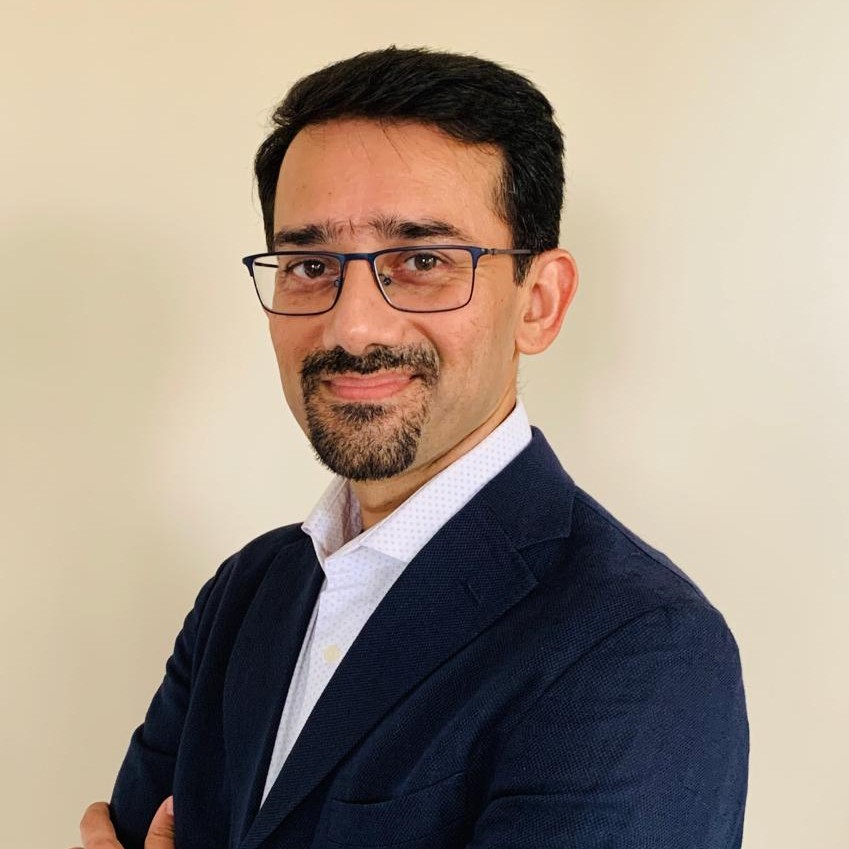
In this #MeetTheMB100 interview, Aliyu Mohammed Ali, Co-Founder & CEO of Ehfaaz, shares how they are building a governed circular economy system that combines physical recovery operations with digital traceability.
This interview series is sponsored by EY, Hogan Lovells, The Portman Estate and Forster Communications.

Long Form Questions
Meaningful Business (MB): What are the challenges you are trying to solve and who are the main beneficiaries?
Aliyu Mohammed Ali (AMA): The core challenge we are addressing is the disconnect between ambition and execution in sustainability. Many organisations today set bold targets around waste reduction, circularity, and carbon emissions, but they struggle to operationalise those commitments in daily decision-making.
Waste systems in particular are often fragmented. Materials are collected without proper segregation, recovery pathways are unclear, and reporting frequently relies on estimates rather than verified operational data. As a result, valuable resources are lost and organisations lack confidence in their environmental reporting.
We work to close this gap by building a governed circular economy system that combines physical recovery operations with digital traceability. The beneficiaries extend across several layers. Companies gain credible sustainability data and operational clarity, while communities benefit from reduced landfill waste and new circular resource flows. Additionally, the environment benefits through lower emissions, reduced pollution, and a more responsible relationship with materials.
MB: What is your solution and what impact have you made to date?
AMA: Ehfaaz operates as a circular economy platform that combines operational waste recovery with digital intelligence. Our approach is based on the idea that circularity cannot succeed through isolated initiatives – it requires a structured system that governs how materials move through the economy.
We work with organisations to recover and repurpose materials that would otherwise be discarded:. Food waste is converted into compost and animal feed, materials are upcycled into new products, and operational data is captured to provide clear visibility on environmental outcomes.
Alongside the physical work, we developed ReVive®, a digital platform designed to bring structure and transparency to circular decision-making. It helps organisations understand the recovery pathways available to them and track their progress over time.
To date, our initiatives have helped repurpose more than 1.1 million kilograms of food waste, avoid approximately 2.9 million kilograms of CO2e emissions, and create over 150,000 eco-cleaning products from recovered materials.
Beyond the numbers, the most important impact has been demonstrating that circular systems can work when governance and accountability are built into the process.
MB: What has been the most complex or underestimated part of delivering this work?
AMA: The most underestimated challenge has been behaviour and systems change. Many organisations recognise the importance of sustainability, but translating that intent into operational decisions is difficult. Waste management sits at the juncture between logistics, procurement, compliance, and culture, which means change requires coordination across multiple departments.
Early on we learned that building the physical recovery infrastructure was only one part of the solution. The real challenge was designing systems that make the right decision easier than the wrong one, which requires clear governance, transparency of outcomes, and trusted partnerships. Circular systems do not emerge overnight; they develop through continuous learning and collaboration with stakeholders.
Another complexity is credibility. Sustainability claims today are increasingly scrutinised, and organisations must be confident that their reporting reflects real outcomes rather than estimates.
For us, this reinforced the importance of building both operational capability and data transparency so that circularity is not just an aspiration but a verifiable practice.
MB: What is the biggest threat to you right now and why?
AMA: The biggest threat is not competition; it is inertia. Many organisations understand the importance of circular economy principles, but legacy systems and established habits can slow progress. Waste management has historically been treated as a cost centre rather than a strategic opportunity, which means investment in better systems can sometimes lag behind ambition.
Another challenge is the proliferation of fragmented solutions. There are many individual technologies and initiatives in the sustainability space, but without integration they risk creating complexity rather than clarity.
Our focus is therefore on building trust and demonstrating that structured circular systems can deliver both environmental and operational value. Encouragingly, regulatory developments and corporate sustainability commitments are increasingly pushing organisations toward more accountable approaches. As expectations around transparency grow, the demand for practical circular systems will continue to rise.
MB: What is your ambition for the future of your business, and what support do you need to increase your impact?
AMA: Our ambition is to help make circularity a normal part of how organisations operate rather than a
specialised sustainability initiative. In practical terms, this means expanding the circular ecosystem we have built so that more organisations can access structured recovery pathways, verified impact data, and transparent reporting.
We also see significant potential in digital infrastructure that helps organisations understand and manage material flows more intelligently. Platforms such as ReVive are designed to support this transition by turning sustainability commitments into operational guidance.
Partnerships with corporates, governments, and research institutions can help scale circular systems more quickly and embed them into policy and industry standards.
We also believe that greater visibility for successful circular models is important. When organisations see real examples of systems that work, it becomes easier to move from intention to implementation.
Ultimately, our goal is to contribute to an economy where materials are valued, waste is minimised, and environmental responsibility is embedded in everyday decisions.
Quickfire Questions
MB: Can you share a mistake that you’ve learned from?
AMA: Early on we tried to solve too many problems at once. It taught me the importance of focus. Real progress comes from solving one critical problem deeply rather than spreading our effort across too many initiatives.
MB: What is something you wish you were better at?
AMA: Switching off. Building a company that is trying to change an entire system can easily become all-consuming. I am learning that reflection and rest are essential for clarity and good decision-making.
MB: What are you most proud of about your work?
AMA: I’m proud that we have shown circular economy principles can work in the real world. Turning ideas into systems that actually recover materials and create value is what makes the work meaningful.
MB: What is the one book that everyone should read?
AMA: The 7 Habits of Highly Effective People by Stephen Covey. Its principles around responsibility, integrity, and long-term thinking are just as relevant in business as they are in life.
MB: What are the sites, blogs or podcasts that you can’t imagine your day without?
AMA: The ReData Hub is a daily read. I love football so I consume a lot of Arsenal FC content – I read the Arseblog everyday. I then try to balance industry insight with broader thinking. Platforms like LinkedIn and major sustainability publications keep me informed, but I also enjoy podcasts that explore leadership, innovation, and systems thinking.